Managing dense hair with dual texture requires specialized cutting methods that harmonize natural S-wave bends with defined spring ringlets. Adopting a curly-wavy hybrid pixie cut provides an elegant solution for high-density hair, converting heavy, unmanageable strands into a balanced, sculptured silhouette with organic movement. Readers exploring this structured guide will discover ten unique haircut concepts complete with structural breakdowns, step-by-step styling methods, and practical wave-and-curl definition techniques tailored specifically for thick, hybrid textures. Understanding interior weight removal, zone-specific layering, perimeter tapering, and hydration setting allows stylists and home enthusiasts to adapt short cropped hairstyles to various face shapes effortlessly. Implementing these organized creative ideas ensures that daily hair care routines remain streamlined, functional, and highly practical, resulting in versatile, low-maintenance hairstyles that maintain shape, spring, and clean definition across all daily activities.
Why This Idea Is Trending or Useful
Cropped hybrid haircuts featuring mixed curl and wave patterns rank exceptionally high among trending ideas on Pinterest because they celebrate natural texture while eliminating daily styling frustration. For individuals searching for budget ideas and accessible beauty routines, adopting a short hybrid crop significantly reduces product consumption, washing frequency, and drying time. Design relevance stems from how strategic short layers allow natural ringlets to spring up at the crown while smoothing broader waves along the sides and nape, creating a modern design aesthetic that complements contemporary fashion. The strong DIY appeal lies in straightforward daily refresh methods, where a light mist of water and leave-in conditioner restores volume without requiring thermal heat tools. Beginners appreciate the forgiving nature of hybrid pixie cuts, as natural texture variation seamlessly disguises minor length growth between salon visits, providing long-term practical value.
Materials and Preparation
Proper hair assessment and targeted styling tool selection ensure that short hybrid haircuts maintain structural balance, shape retention, and defined moisture levels. Essential materials and tools for this creative project include moisturizing leave-in conditioners, curl-defining gels, lightweight hair oils, fine-tooth tail combs, wide-tooth detangling combs, micro-fiber towels, diffuser dryer attachments, and texturizing shear sets. Crucial preparation steps require analyzing natural curl patterns, density distribution, and crown cowlicks on dry hair before initiating any cutting or deep hydration routines. Planning considerations involve evaluating personal daily habits, local weather humidity levels, and maintenance schedules, as hybrid pixie cuts generally require professional shaping trims every four to six weeks to keep perimeter lines clean. Preparing hair with a gentle sulfate-free cleansing wash establishes a fresh foundation, allowing individual curls and waves to form without product build-up.
Main Ideas Section
Idea 1: Tapered Nape Crop with Cascading Curl-Wave Crown
Step-by-Step Guide
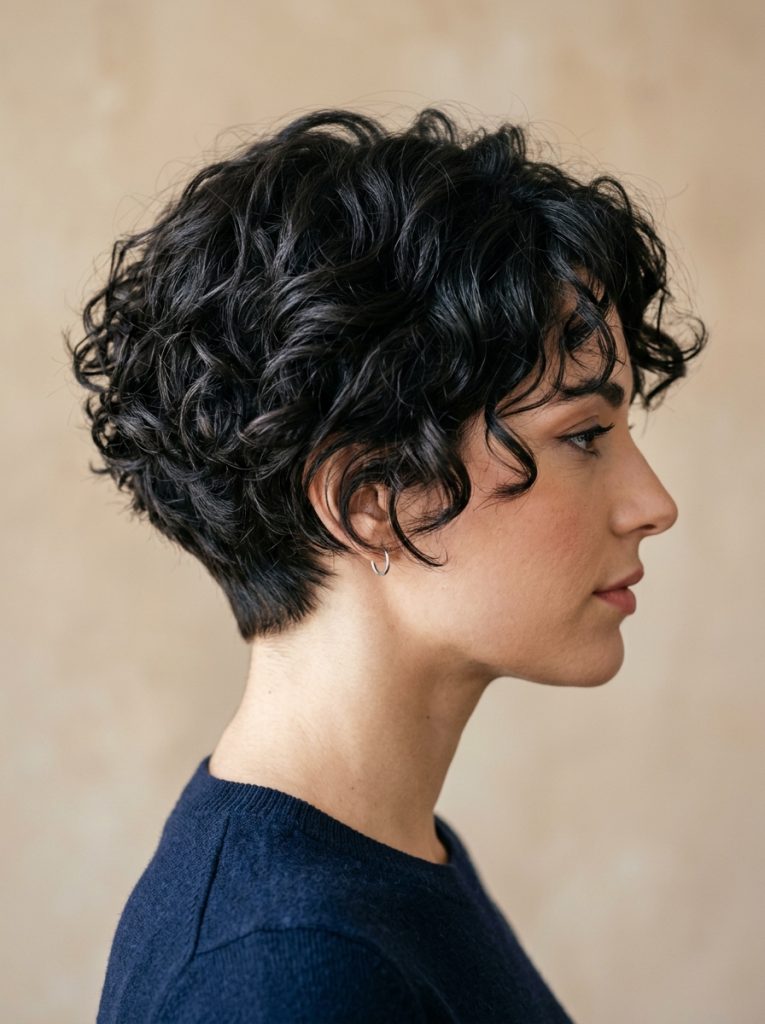
Constructing a tapered nape crop with a cascading crown relies on establishing a sharp contrast between a close-cut lower perimeter and long, voluminous top layers. Begin by sectioning the head horizontally at the occipital bone, clipping the top hair away securely. Taper the nape area closely using scissor-over-comb techniques to remove interior bulk and establish a clean hairline. Release the upper crown section and cut vertical layers at a ninety-degree angle, preserving longer lengths toward the front hairline where natural waves transition into tighter ringlets. Apply a generous amount of curl cream through damp top strands using the praying-hands method, scrunching upward toward the scalp to encourage natural spring. Diffuse on low heat, directing airflow upward to set the top cascading ringlets directly over the smooth, tapered nape.