Texture art projects have become one of the biggest creative trends in modern home decor because they combine depth, dimension, and artistic expression in a visually calming and Pinterest-worthy way. Unlike flat paintings or simple crafts, texture art focuses on creating raised surfaces, layered materials, and tactile details that bring artwork to life. Pinterest users especially love textured art because it feels luxurious, handmade, and unique while still fitting beautifully into modern minimalist and organic interior styles.
One of the reasons texture art is so popular is because it works with many different aesthetics. Whether someone prefers boho decor, modern organic interiors, Scandinavian simplicity, rustic farmhouse styling, or abstract contemporary art, texture-based projects can easily adapt to different themes. Neutral color palettes, soft plaster finishes, earthy tones, and layered materials are commonly used to create calming artwork that feels sophisticated and timeless.
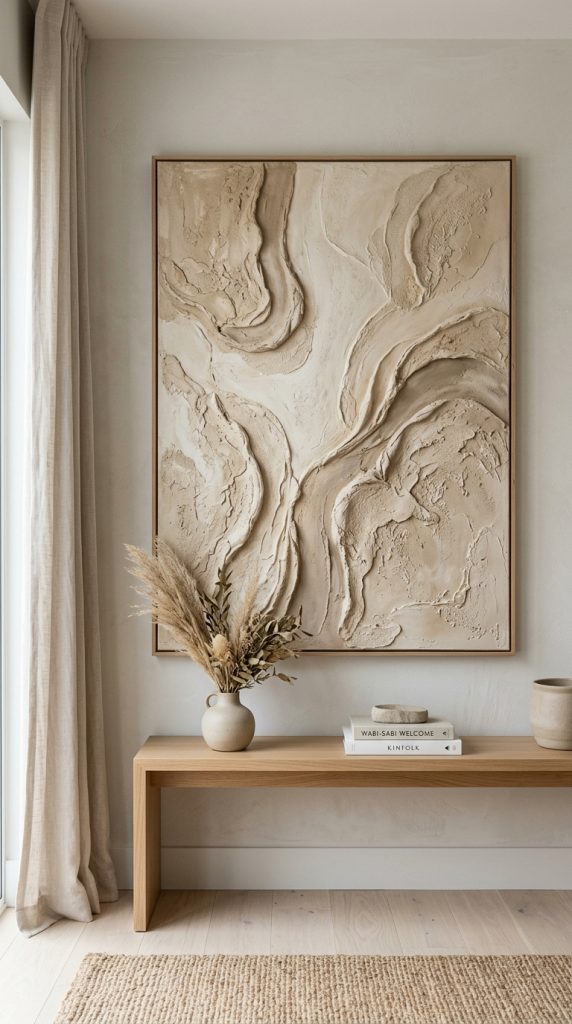
Texture art projects are also beginner-friendly because they focus more on movement and creativity rather than perfect drawing skills. Many projects use simple materials like plaster, joint compound, modeling paste, fabric, sand, clay, or textured paint to create depth and artistic detail. Even basic tools such as palette knives, brushes, sponges, or combs can produce beautiful professional-looking results.
Pinterest-inspired texture art often emphasizes soft organic shapes, minimal color palettes, abstract patterns, floral details, and layered finishes. These projects work beautifully as wall art for living rooms, bedrooms, offices, hallways, or gallery walls. Many people also create texture art as personalized handmade gifts because the finished pieces feel thoughtful and artistic.
Another reason textured artwork is trending is because it adds warmth and movement to interiors. Flat walls and plain decor sometimes feel empty, while textured art creates dimension and visual softness that instantly elevates a room. The shadows and highlights created by raised surfaces make the artwork look dynamic throughout the day depending on lighting conditions.
In this article, you will discover 10 texture art project ideas that are creative, stylish, and Pinterest-worthy. Each project is explained in detail to help you create beautiful textured artwork that adds personality, warmth, and modern artistic charm to your space.
Materials Used for Texture Art Projects
Before starting texture art projects, gathering the right materials can make the creative process much easier. Different projects require different textures and finishes, but many supplies can be reused for multiple designs.
Common materials include:
- Canvas boards
- Modeling paste
- Joint compound
- Plaster
- Acrylic paint
- Texture paint
- Palette knives
- Paint brushes
- Sponges
- Sandpaper
- Glue gun
- Hot glue sticks
- Air-dry clay
- Fabric scraps
- Cotton rope
- Yarn
- Wooden beads
- Sand texture additive
- Gesso
- Neutral paint colors
- Matte varnish
- Gold leaf
- Dried flowers
- Cardboard stencils
- Ceramic paste
- Craft knives
- Painter’s tape
- Clay tools
- Mesh fabric
- Burlap fabric
Popular Pinterest-style colors include beige, warm white, taupe, clay, terracotta, olive green, dusty pink, black, cream, and soft gray. Matte finishes are especially preferred because they highlight texture beautifully without excessive shine.
How to Create Pinterest-Style Texture Art
Creating Pinterest-style texture art begins with choosing a simple and cohesive design concept. Most Pinterest-inspired texture projects focus on minimalism, organic movement, earthy tones, and layered surfaces rather than overly detailed or colorful artwork.
Start by selecting a base surface such as canvas or wood panels. Sketch the layout lightly before applying heavy texture materials. Many texture art projects look best when they feature flowing curves, abstract patterns, floral shapes, arches, or natural movement.
Layering is one of the most important parts of texture art. Use palette knives, combs, sponges, or brushes to create raised details and movement. Allow some imperfections because texture art often looks more authentic when it feels handcrafted instead of perfectly smooth.
Neutral color palettes help textured surfaces stand out more clearly. Soft earthy tones paired with matte finishes create the elegant and calming Pinterest aesthetic people love. Lighting also plays a huge role because shadows highlight the dimensional texture beautifully.
Most importantly, texture art should feel expressive and creative rather than overly technical. The beauty comes from movement, softness, and organic imperfection that makes each artwork unique.
1. Abstract Plaster Texture Canvas
Abstract plaster texture canvas art is one of the most popular Pinterest-inspired projects because it combines modern minimalism with rich dimensional texture. This style usually features soft abstract shapes, flowing curves, arches, or layered organic forms created using plaster or joint compound.
To create this project, apply plaster or modeling paste onto a canvas using a palette knife. Instead of smoothing everything perfectly, create raised movement and layered shapes that add visual depth. Pinterest-inspired abstract canvases often focus on asymmetrical curves and soft sculptural details rather than complex images.
Neutral tones such as cream, beige, warm white, taupe, or clay are especially popular because they create calm sophisticated artwork that works with almost any home decor style. Many creators leave the artwork monochromatic so the texture itself becomes the main focal point.
This type of texture art works beautifully in living rooms, bedrooms, entryways, or office spaces where minimal decor is preferred. Large canvases above beds or sofas create elegant statement pieces without overwhelming the room visually.
One reason abstract plaster art is so loved is because lighting changes its appearance throughout the day. Natural sunlight creates soft shadows across the raised textures, making the artwork feel dynamic and luxurious. The subtle movement gives even simple neutral artwork a high-end custom appearance.
This project is ideal for beginners because perfection is not necessary. The organic imperfections actually enhance the artistic beauty and handcrafted feel. Abstract plaster canvas art remains timeless because it combines simplicity, texture, and warmth in a modern Pinterest-worthy way.