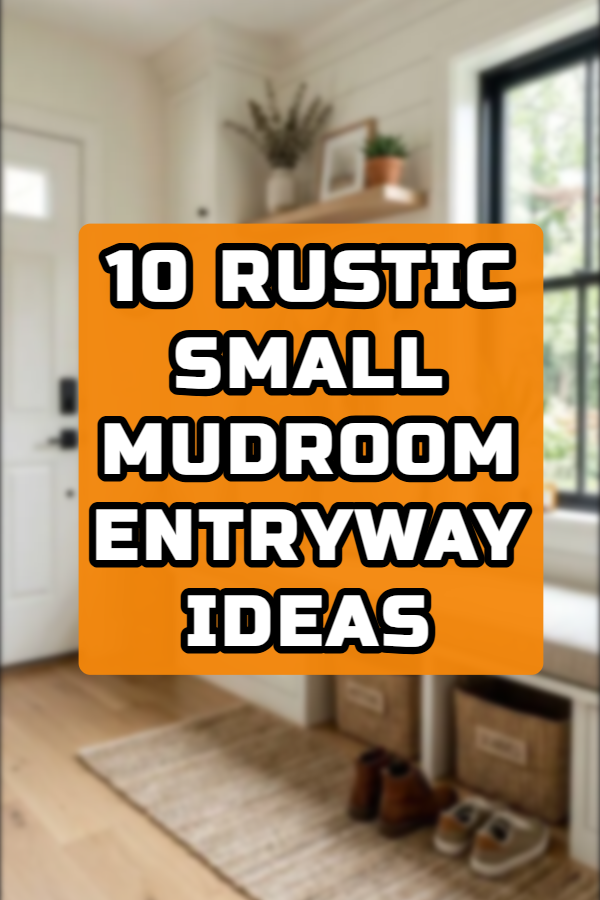
10 Small Mudroom Entryway Ideas

A small mudroom entryway may seem like a challenging space to decorate, but with thoughtful planning and smart design choices, it can become one of the most practical and stylish areas of your home. Whether you live in a compact apartment, a townhouse, or a cozy family home, your entryway serves as the first impression for both your family and guests. It is the place where shoes come off, coats are hung, bags are dropped, and everyday essentials are stored. When designed well, even the smallest mudroom can help reduce clutter, improve organization, and create a warm, welcoming atmosphere.

The secret to creating a functional mudroom isn’t having a large space—it’s making every inch work harder. Clever storage solutions, vertical organization, multi-purpose furniture, and carefully selected decorative accents can transform a tiny entryway into an efficient space that feels larger than it actually is. Pinterest is filled with inspiring mudroom designs that combine beauty with practicality, proving that compact spaces can still have a high-end custom appearance.

In this guide, you’ll discover ten beautiful small mudroom entryway ideas that maximize storage without sacrificing style. Each idea focuses on practical organization while maintaining an inviting aesthetic that suits modern, farmhouse, Scandinavian, minimalist, coastal, and traditional homes alike. Whether you’re renovating your entryway or simply refreshing your existing space, these ideas will help you design a mudroom that keeps your home tidy and welcoming every day.


Materials Used

Depending on your chosen design, you may need:

  • Wall hooks
  • Floating shelves
  • Wooden bench
  • Storage bench with hidden compartments
  • Shoe rack or shoe cabinet
  • Woven baskets
  • Storage bins
  • Decorative pillows
  • Throw blankets
  • Wall-mounted organizer
  • Coat rack
  • Mirror
  • Entryway rug
  • Peel-and-stick wallpaper
  • Paint
  • Decorative lighting
  • Artificial plants
  • Real indoor plants
  • Label tags
  • Boot tray
  • Wooden crates
  • Metal baskets
  • Cushion seat pad
  • Umbrella stand
  • Picture frames
  • Command hooks
  • Storage cubbies
  • Hall tree
  • Decorative signs

How to Design a Small Mudroom Entryway

Creating a functional mudroom starts by understanding your family’s daily routine. Think about what items usually collect near the front door—shoes, backpacks, jackets, pet supplies, umbrellas, or sports gear. Once you identify your storage needs, choose furniture that serves multiple purposes, such as benches with hidden compartments or wall-mounted shelves with hooks underneath. Take advantage of vertical wall space instead of relying only on the floor.

Use baskets, bins, and labeled containers to organize small accessories while maintaining a clean appearance. Select light wall colors to make the area feel more spacious, and add mirrors to reflect natural light. Decorative rugs define the entryway while protecting flooring from dirt and moisture. Finally, personalize the space with artwork, greenery, or seasonal décor so your mudroom feels welcoming rather than purely functional.


1. Install a Storage Bench with Hidden Compartments

One of the smartest upgrades for a small mudroom is replacing a standard bench with a storage bench that hides everyday clutter. This single piece of furniture provides seating for putting on shoes while also offering valuable concealed storage underneath. Hidden compartments are perfect for storing seasonal footwear, scarves, hats, pet accessories, reusable shopping bags, or children’s outdoor toys. Instead of leaving items scattered across the floor, everything has a designated place, making the entryway look organized even during busy mornings.

Choose a bench that complements your home’s decorating style. A natural wood bench creates warmth in farmhouse interiors, while a white painted bench feels bright and timeless. Upholstered cushions add comfort and soften the overall look. If your entryway is extremely narrow, select a slim-profile bench that still offers interior storage without overwhelming the walkway.

Decorate the bench with a textured throw pillow or folded blanket to create a cozy atmosphere. Above the bench, install a row of sturdy wall hooks for coats and backpacks. Adding a floating shelf above the hooks creates another level of storage for decorative baskets or framed family photos. This layered arrangement keeps frequently used items within reach while making the space appear professionally designed.

Keeping similar items grouped together inside labeled bins helps maintain organization over time. Encourage every family member to use the bench’s compartments for their belongings, making cleanup quick and effortless. A storage bench is an investment that combines comfort, organization, and style while making even the smallest mudroom feel larger and more efficient.


2. Maximize Vertical Wall Space with Hooks and Shelves

Small mudrooms often lack floor space, making vertical storage essential. Installing multiple rows of wall hooks allows coats, hats, backpacks, and handbags to hang neatly without creating piles near the door. Hooks placed at different heights make the area functional for both adults and children, encouraging everyone to keep the entryway organized.

Above the hooks, floating shelves provide extra storage without consuming valuable floor space. Decorative baskets can hold gloves, scarves, mail, or seasonal accessories while maintaining a clean appearance. Shelves also offer an opportunity to display artwork, candles, small plants, or family photographs, making the mudroom feel like an extension of the home’s décor rather than a purely practical space.

Wood shelves paired with matte black hooks create a modern farmhouse aesthetic, while white shelves produce a bright Scandinavian-inspired look. Consider installing one long shelf across the wall instead of multiple smaller shelves for a cleaner visual line. Label storage baskets to make everyday organization simple.

Using vertical storage keeps walkways clear, making the mudroom safer and easier to navigate. It also allows smaller homes to enjoy the same functionality found in custom-built mudrooms without requiring expensive renovations. By taking advantage of every inch of wall space, you create a highly organized entryway that remains attractive throughout the year.


3. Create Individual Family Storage Zones

Even a tiny mudroom can become highly organized when each family member has their own designated storage space. Individual zones reduce clutter because everyone knows exactly where to place their belongings after coming home. Assign one hook, one basket, one cubby, and one shelf section to each person.

Personalized labels, initials, or decorative name tags make these spaces easy to identify. Children especially benefit from having storage within their reach, encouraging independence and daily organization habits. Separate compartments also prevent coats, shoes, and backpacks from becoming mixed together.

Choose matching baskets and storage bins for a cohesive appearance while allowing each family member to personalize small decorative details. Color-coded containers are another practical solution for busy households.

This organization system works especially well in homes with limited square footage because it reduces time spent searching for missing items during busy mornings. Every object has a dedicated location, making cleanup faster and maintaining a consistently tidy appearance. Despite occupying minimal space, individual storage zones create the functionality of a much larger custom mudroom.


4. Add a Slim Shoe Cabinet to Reduce Clutter

Shoes are often the biggest source of entryway clutter. A slim shoe cabinet solves this problem by storing multiple pairs while occupying very little floor space. Unlike traditional shoe racks, slim cabinets keep footwear hidden behind closed doors, instantly making the mudroom appear cleaner.

Choose cabinets with tilt-out compartments if your hallway is narrow. These designs maximize storage while maintaining a compact profile. Wooden finishes add warmth, whereas white cabinets brighten smaller entryways and blend seamlessly into surrounding walls.

Place a decorative tray on top for keys, sunglasses, wallets, and mail. Add a small table lamp or vase of greenery to soften the look. Combining hidden storage with attractive styling creates a polished entryway that remains functional throughout the day.

Keeping shoes enclosed also reduces visible clutter and prevents dirt from spreading across the home. Family members can quickly store footwear after entering, maintaining an organized environment with minimal effort.


5. Use Decorative Woven Baskets for Everyday Organization

Woven baskets are one of the simplest ways to combine beauty and functionality in a small mudroom. They hide everyday clutter while adding texture and warmth to the overall design. Place baskets beneath benches, on floating shelves, or inside cubbies to organize seasonal accessories.

Assign different baskets for gloves, pet supplies, reusable bags, umbrellas, children’s outdoor toys, or sports equipment. Labels make it easy for everyone to return items to their proper place after use.

Natural wicker complements farmhouse and coastal interiors, while black woven baskets create a more modern appearance. Matching baskets throughout the mudroom establish visual consistency and help smaller spaces feel more organized.

Because baskets conceal miscellaneous items, the entryway appears neat even during busy family routines. They also allow seasonal storage to rotate easily without requiring permanent furniture changes. Decorative baskets prove that practical storage solutions can enhance the room’s aesthetic instead of detracting from it.


6. Brighten the Space with Light Colors and Mirrors

Small mudrooms often feel enclosed due to limited natural light. Light-colored walls instantly make the area appear larger and more open. White, cream, soft gray, beige, or pale sage reflect available light while creating a clean background for decorative accessories.

Installing a mirror further expands the visual space by reflecting light throughout the room. Round mirrors soften angular furniture, while rectangular mirrors create a more traditional appearance. Mirrors are also convenient for last-minute outfit checks before leaving the house.

Pair neutral walls with warm wood accents, woven baskets, and greenery to avoid a sterile appearance. Simple black hardware adds subtle contrast without overwhelming the space.

Natural lighting, mirrors, and light paint work together to transform compact mudrooms into welcoming entryways that feel significantly larger than their actual dimensions. These inexpensive upgrades deliver dramatic visual improvements while complementing nearly every decorating style.


7. Incorporate Multi-Functional Furniture

When working with limited square footage, every piece of furniture should serve multiple purposes. A bench can provide seating, hidden storage, and decorative styling simultaneously. A shelf may function as display space while supporting hooks underneath. A cabinet might store shoes while acting as a console table.

Choosing multi-functional furniture minimizes clutter and reduces the need for additional storage pieces. Fold-down benches, narrow hall trees, compact storage cabinets, and modular shelving systems are excellent options for small homes.

Look for furniture with clean lines and lighter finishes to prevent the space from feeling crowded. Modular units allow future expansion if your storage needs change over time.

Combining several functions into one furniture piece creates a highly efficient mudroom without sacrificing style. Thoughtful furniture selection ensures the entryway remains practical while maintaining an uncluttered appearance.


8. Style the Entryway with Plants and Simple Décor

Organization doesn’t mean sacrificing personality. Small decorative details transform a functional mudroom into a welcoming introduction to your home. Indoor plants bring freshness, improve visual balance, and soften storage-heavy areas.

Choose low-maintenance plants like snake plants, pothos, ZZ plants, or artificial greenery if natural light is limited. Pair them with woven baskets, ceramic pots, or wooden planters that coordinate with your decorating style.

Simple wall art, family photos, inspirational signs, or seasonal wreaths personalize the space without overwhelming it. Decorative pillows on the bench and textured rugs introduce warmth while making the entryway feel cozy.

Limit decorative accessories to a few carefully selected pieces so the room remains organized rather than cluttered. The goal is to create a welcoming atmosphere that balances functionality with beauty.


9. Design a Farmhouse-Inspired Mudroom

Farmhouse style remains one of Pinterest’s most popular decorating trends because it blends comfort with timeless charm. In a small mudroom, shiplap walls, rustic wood benches, black hooks, galvanized baskets, and woven textures create a warm, inviting atmosphere.

Neutral paint colors establish a calming backdrop while vintage-inspired signs and antique-style hardware add character. Layer cozy textiles such as striped cushions and woven rugs to soften hard surfaces.

Open shelving displays decorative baskets alongside practical storage containers, ensuring the room remains organized while preserving its charming appearance. Natural wood introduces warmth that contrasts beautifully with crisp white walls.

Farmhouse décor works especially well in compact spaces because it embraces practical storage while celebrating simple, functional design. Even modest entryways can achieve a custom-built appearance using these classic design elements.


10. Keep Your Mudroom Organized with Seasonal Rotation

An organized mudroom requires regular maintenance. Seasonal rotation prevents unnecessary clutter by storing only items currently needed. During winter, prioritize heavy coats, boots, scarves, and gloves. In summer, replace these with lightweight jackets, hats, sandals, and outdoor accessories.

Use labeled storage bins to pack away off-season items in closets, garages, or attic storage. Refresh decorative accents each season with wreaths, pillows, or greenery to keep the entryway feeling updated.

Schedule monthly organization sessions to remove unnecessary items, donate unused accessories, and reorganize baskets. Encourage family members to return belongings to designated storage areas daily.

Maintaining a seasonal organization routine keeps even the smallest mudroom functional year-round. Instead of becoming overwhelmed by accumulated belongings, the entryway remains clean, welcoming, and easy to manage regardless of the season.


Conclusion

A beautiful mudroom doesn’t require a large footprint. With thoughtful planning, smart storage solutions, and stylish decorative touches, even the smallest entryway can become one of the most organized and inviting spaces in your home. Hidden storage benches, vertical shelving, personalized family zones, slim shoe cabinets, woven baskets, mirrors, multi-functional furniture, greenery, farmhouse accents, and seasonal organization all contribute to a practical layout that supports everyday life.

The best small mudroom entryway is one that reflects your family’s lifestyle while making daily routines easier. By combining organization with attractive design, you can create an entryway that welcomes guests, minimizes clutter, and keeps your home feeling calm and organized throughout the year. Whether you choose one idea or combine several, these Pinterest-inspired solutions prove that limited space never has to limit beautiful design.

Similar Posts

Leave a Reply

Your email address will not be published. Required fields are marked *