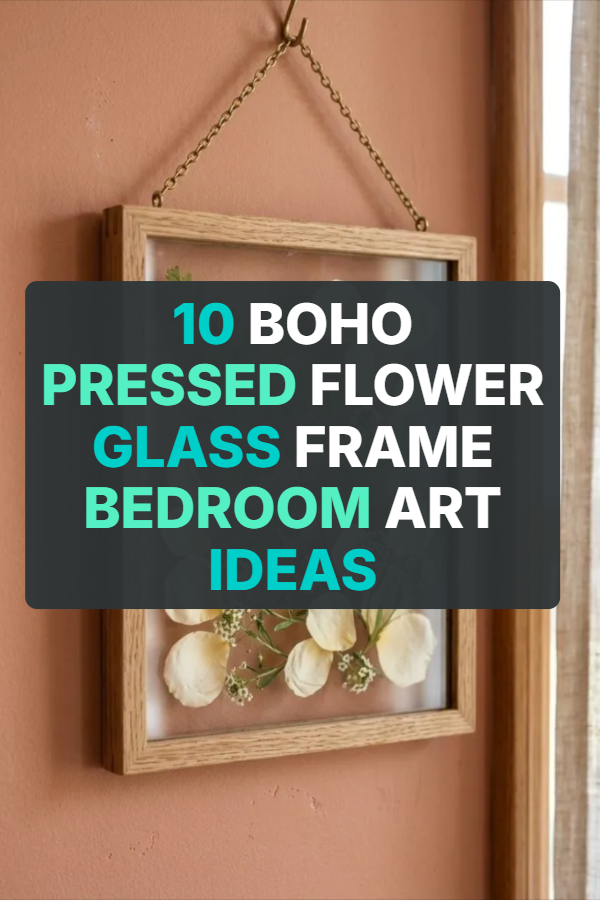
10 Boho Pressed Flower Glass Frame Bedroom Art Ideas

Introduction Handcrafted floral decor continues to dominate trending ideas across visual home decor boards, bringing organic beauty into personal spaces. Learning how to preserve botanical specimens within double-glazed floating frames provides a rewarding creative project for enhancing bedroom walls. This comprehensive guide covers ten distinct pressed flower glass frame ideas tailored specifically for bohemian bedroom aesthetics. Readers will explore step by step methods for pressing delicate petals, arranging botanical compositions, selecting wooden frames, and securing floating glass panels safely. Understanding these fundamental techniques allows home decorators to transform real flowers into lasting artistic statements. Designing custom framed botanical art offers an accessible way to introduce soft textures, earthy tones, and natural elements into a cozy sleeping sanctuary, creating a serene environment that reflects personal style.
Why This Idea Is Trending or Useful Botanical glass art holds exceptional design relevance in modern interior styling due to its ability to merge minimalist style with warm, natural elements. From a practical value standpoint, double-glazed floating frames allow wall colors and natural sunlight to pass through the clear glass, creating dynamic shadows that evolve throughout the day. This easy project offers immense DIY appeal, making it an accessible endeavor for beginners who want high-end room accents without spending large sums. The combination of preserved flora and sleek glass framing fits seamlessly into bohemian, Scandinavian, and rustic interior themes. Furthermore, pressed flower art allows homeowners to preserve sentimental bouquets from special occasions, converting memorable personal gifts into functional, long-lasting wall decoration that elevates overall bedroom atmosphere.
Materials and Preparation Proper preparation ensures preserved flowers maintain their vibrant colors and structural integrity inside sealed glass frames. Essential materials include a assortment of fresh blooms, heavy wooden pressing books or dedicated flower presses, parchment paper, double-paned floating glass frames, clear UV-resistant adhesive, and precision tweezers. Preparation begins by selecting flat, low-moisture flowers like pansies, ferns, larkspur, and baby’s breath. Place fresh blooms between sheets of parchment paper inside a weighted press for two to three weeks until completely dry and flat. Clean all glass surfaces thoroughly with lint-free microfiber cloths to eliminate fingerprints and dust before arranging stems. Carefully plan your botanical layout on paper beforehand to determine exact spacing and balance prior to permanently setting flowers onto the glass panel.
Deep Terracotta Fern and Cream Rose Petal Floating Frame How to Create Creating a deep terracotta fern floating frame combines rich earthen backdrops with delicate organic textures for a grounded bohemian bedroom accent. Begin by preparing fully dried maidenhair fern fronds along with pressed cream rose petals and small sprigs of dried white alyssum. Select a double-glass wood frame with an unvarnished oak or warm pine finish to complement the botanical tones. Clean the inner glass surface with rubbing alcohol to remove residual oils. Using fine-tip tweezers, place a large central fern frond onto the rear glass pane, anchoring it with micro-dots of clear botanical glue applied behind the thickest stem points. Layer delicate cream rose petals around the base to form a balanced, asymmetrical crescent layout. Secure the top glass panel tightly within the wooden frame, ensuring the pressure holds the specimens firmly without crushing fragile edges, then position the frame above a nightstand.

Vintage Brass Geometric Pressed Wildflower Symmetry Step-by-Step Guide Designing a symmetrical wildflower arrangement within a vintage brass frame offers a refined geometric look suited for minimalist headboard displays. Start with a hinged, brass-edged double glass frame featuring a thin hanging chain. Select small, flat-pressed botanical specimens such as wild buttercups, purple violas, and slender blades of field grass. Lay the open frame flat on a velvet working pad. Using a ruler placed underneath the glass as a guiding grid, place a prominent purple viola directly in the center point. Arrange matching buttercups and thin grass blades radially outward to build a perfectly balanced mandala pattern. Apply microscopic dabs of clear craft adhesive to the underside of each center stem to prevent shifting during closure. Latch the brass frame securely and hang it alongside woven wall tapestries to introduce metallic warmth.

Minimalist Eucalyptus and Pressed Daisy Linear Floating Art Execution Process The linear eucalyptus and daisy arrangement relies on clean vertical lines and generous negative space to establish a peaceful, airy bedroom aesthetic. Choose a tall, narrow floating glass frame made with slim black metal or pale ash wood borders. Select straight silver dollar eucalyptus stems and perfectly flattened oxeye daisies. Position three eucalyptus stems vertically across the frame, spacing them evenly to leave wide glass margins. Place individual pressed daisy heads along the lower third of the stems, creating an intentional grounding effect at the base. Ensure no leaves overlap excessively, maintaining a flat profile that allows the floating glass to close seamlessly without gap-induced air pockets. Clamp the frame closed and hang it on a brightly painted accent wall, allowing the wall color to show through the clear glass spaces.

Layered Pressed Hydrangea and Gold Leaf Celestial Frame Setup Method Incorporating metallic accents with soft floral elements yields a dreamy celestial-inspired artwork ideal for cozy sleeping corners. Gather pressed hydrangea petals in muted lavender and dusty blue shades, along with loose sheets of imitation gold leaf flake. Select a dark walnut floating frame to provide strong visual contrast against the shimmering gold elements. Lay the back glass pane flat and map out a delicate crescent moon silhouette using a light grease pencil on the glass reverse. Carefully glue small clusters of hydrangea petals inside the mapped moon shape using clear-drying gel adhesive. Using soft gilding brushes, apply tiny flakes of gold leaf along the outer edge of the floral crescent to mimic glowing starlight. Clean off excess gold dust, erase the pencil guide, and seal the glass assembly tightly for display.

Rustic Wood Hexagon Pressed Sunflower and Field Grass Display How to Make Geometric wooden frames filled with golden field flora bring warm countryside charm directly into a bohemian bedroom interior. Source a hexagonal rustic wooden frame equipped with removable double glass panes. Collect small pressed sunflower heads, goldenrod sprigs, and dried barley stems that have been flattened for several weeks. Arrange the tallest barley stems diagonally across the hexagonal frame to echo its angular geometry. Layer the goldenrod sprigs across the middle section to build volume and texture. Place two small pressed sunflower heads at the bottom intersection point, serving as a bold visual anchor. Use tiny drops of UV-resistant clear sealer behind the sunflower centers to fix them to the glass permanently. Reassemble the hexagonal frame securely and mount it as part of a gallery wall set.

Pressed Poppy and Pampas Grass Sunset Spectrum Frame Step-by-Step Guide Constructing a sunset spectrum frame involves arranging vibrant red and orange petals alongside feathery dried pampas grass fibers. Obtain a large rectangular floating frame constructed from natural light maple wood. Prepare pressed red poppy petals, orange marigold heads, and small wisps trimmed from natural pampas grass plumes. Lay the pampas grass wisps horizontally across the bottom third of the rear glass to create a soft, cloud-like foundation layer. Arrange the bright orange marigold petals and deep red poppy petals above the grass in an ascending color gradient, transitioning from dark red at the bottom to light yellow at the top. Secure each botanical component with hidden adhesive dots. Fasten the front glass pane into the frame groove, creating a striking sunset-inspired focal piece above a bedroom dresser.

Pressed Fern Leaf Arch Frame with Botanical Calligraphy Setup Method Combining structured architectural shapes with organic foliage creates a sophisticated focal point for modern bohemian bedrooms. Select a custom arch-topped floating glass frame framed in brushed antique bronze. Gather large, perfectly symmetrical fern fronds that have been pressed flat while retaining their deep green color. Arrange two curved fern fronds along the inner perimeter of the glass arch to frame the top curve smoothly. In the center open space, use an oil-based white paint marker to hand-letter a favorite meaningful quote or botanical name directly onto the interior glass surface. Allow the paint marker to dry completely for thirty minutes before placing the front glass panel over the arrangement. Mount the finished arch frame centered above the bed for an elegant, personalized bedroom statement.

Monochromatic White Larkspur and Baby’s Breath Glass Panel How to Create A monochromatic white floral arrangement offers an ultra-serene, ethereal look that enhances light-colored bedroom themes seamlessly. Choose a rimless floating glass panel with minimalist brass corner clamps for a weightless presentation. Collect fully pressed white larkspur blossoms, delicate queen anne’s lace, and dense clusters of white baby’s breath. Position the queen anne’s lace in the upper corner of the panel to establish a delicate lacy canopy. Cascade the white larkspur blooms downward diagonally, filling the center with fine baby’s breath stems to create depth without adding heavy visual weight. Affix the stems discreetly using transparent double-sided micro-tapes designed for glass crafting. Secure the corner clamps tightly and suspend the panel near a window where incoming daylight illuminates every intricate floral detail.

Boho Pressed Herb and Wild Lavendar Pressed Glass Trio How to Make Creating a trio of smaller framed herbal displays introduces aromatic charm and cohesive visual structure to bedroom shelving. Acquire three matching small square glass frames finished in weathered grey wood. Gather pressed lavender spikes, rosemary sprigs, and delicate thyme stems along with their tiny purple blossoms. Dedicate one frame to each individual herb, placing a single prominent stem in the direct center of each glass pane for a clean, educational botanical display. Ensure the stems are fully dried and flat to prevent oil transfer onto the glass panels. Secure the backs of the frames and line them up side by side on a floating wall shelf. This structured trio provides an organized, spa-like feel that promotes relaxation within a restful sleeping environment.

Pressed Autumn Leaf and Dried Bleached Palm Fan Collage Execution Process Combining vibrant pressed autumn leaves with miniature bleached palm fans creates a high-texture statement piece for bohemian wall spaces. Obtain a substantial square floating frame crafted from untreated natural bamboo. Prepare pressed maple leaves in rich amber hues alongside small, flattened bleached sun palm fans. Position two palm fans at overlapping angles in the center of the frame to build an architectural, fan-like background structure. Layer bright amber maple leaves across the center intersection, allowing the pointed leaf tips to extend outward over the white palm fibers. Apply clear silicone dots sparingly to anchor the thick palm stems to the rear glass pane. Seal the heavy frame tightly and hang it prominently above a reading chair to warm up the room atmosphere.

Common Beginner Mistakes and How to Avoid Them A frequent mistake beginners make when creating pressed flower glass art is mounting botanicals that are not completely dry. Any residual moisture trapped inside a sealed double-glass frame will cause mold growth and brown discoloration over time. Always ensure flowers press inside paper for at least two to three weeks until they feel crisp and paper-thin. Another common error is using excessive liquid glue, which creates visible smears on clear glass panels and saturates delicate petals. Apply micro-dots of clear gel adhesive or specialized botanical glue using a toothpick behind the thickest parts of the stem. Additionally, placing floating frames in direct, intense sunlight will cause natural petal colors to fade prematurely. Hang your botanical artwork on interior walls receiving indirect light to preserve vivid natural hues for years.
Practical Tips for Better Results Achieving professional, gallery-quality results with pressed flower glass frames requires careful handling, cleanliness, and precise assembly technique. Always wear clean cotton gloves or use plastic tweezers when handling pressed blooms to prevent skin oils from transferring onto petals and glass surfaces. Clean both sides of the glass panes thoroughly with a glass cleaner and microfiber cloth, inspecting for dust specks under bright light before sealing. To prevent heavy dried stems from slipping downward inside floating frames over time, apply tiny squares of ultra-clear double-sided archival tape behind main junction points. When working with delicate petals, spray them lightly with an archival UV-protectant sealer spray before mounting to lock in vibrant colors. Taking these extra precautions ensures your handmade floral decor remains pristine, vibrant, and securely positioned permanently.
Styling, Presentation, or Organization Ideas Styling pressed flower glass frames effectively transforms basic wall decor into a cohesive visual narrative throughout the bedroom. Group frames of varying shapes and wood finishes together on a single wall to build an eclectic bohemian gallery wall. Pair brass-edged glass frames with woven macrame wall hangings, rattan mirrors, and terracotta planters to create a multi-textured wall presentation. Place smaller floating frames on wooden picture ledges or dressers, leaning them against neutral walls alongside scented candles and ceramic vases. Position transparent glass frames directly across from windows so natural morning light projects soft botanical shadows onto surrounding surfaces. Matching frame wood tones to existing bedframes or nightstands helps tie the room together while allowing the colorful pressed petals to serve as primary accent features.
Budget or Time Planning Planning your material expenses and project timeline efficiently ensures a stress-free crafting experience with exceptional artistic results. Foraging wild blossoms, garden weeds, and fallen autumn leaves costs nothing and yields unique botanical specimens for pressing. Purchasing multi-packs of floating glass frames online or at craft supply outlets significantly reduces per-unit costs compared to buying individual custom frames. The flower pressing phase requires three weeks of passive drying time, while the actual design assembly and frame mounting take approximately one to two hours per frame. To maximize efficiency, press a large variety of seasonal blooms in single batches so you always have an assortment of ready-to-use petals available. This budget-friendly approach allows you to refresh your bedroom wall decor seasonally without incurring major home decoration expenses.
Creative Expansion and Advanced Inspiration Once you master basic botanical framing techniques, explore advanced variations to expand your creative project collection. Try painting subtle watercolor washes onto light cotton paper mounts placed behind the glass to add soft atmospheric background colors to your pressed arrangements. Incorporate pressed calligraphy, vintage book pages, or hand-drawn ink illustrations alongside your flower arrangements for a nostalgic, storytelling element. You can also experiment with tinting the wooden frame borders using natural wood stains or metallic gilding waxes to match evolving bedroom color palettes. Creating matching sets of seasonal pressed flower frames—such as spring cherry blossoms, summer wildflowers, and autumn leaves—provides a wonderful way to rotate your interior wall art throughout the year, keeping your living space feeling fresh and connected to nature.