Incorporating vibrant color palettes and expressive patterns into interior design has become a major focus within modern home decor visual search feeds. Bold colorful checkerboard tile layouts serve as a cornerstone of the dopamine decor movement, which emphasizes joyful aesthetics, energizing color combinations, and highly personalized spaces. Readers exploring this detailed planning guide will discover ten unique architectural concepts for transforming ordinary residential bathrooms into vibrant, mood-boosting sanctuaries. The article outlines clear methods for selecting high-contrast ceramic tiles, designing balanced geometric layouts, and integrating functional fixtures without overwhelming small floor plans. Utilizing dynamic dual-tone grid patterns enhances visual depth, elevates modest spaces, and creates a tailored, artful backdrop. Learning how to properly prepare, align, and style checkerboard tile installations empowers homeowners to make confident design decisions that align with current aesthetic trends while maintaining long-term practical durability.
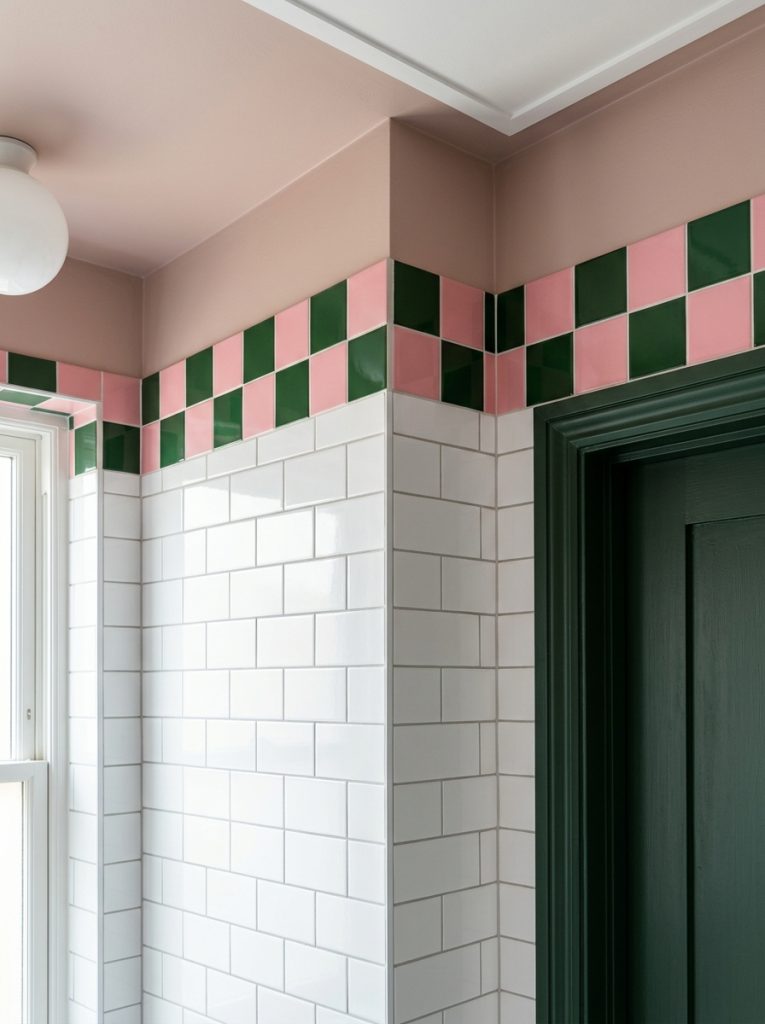
Why This Idea Is Trending or Useful
Colorful checkerboard tile installations are gaining widespread popularity across modern home decor boards because they bridge classic architectural heritage with playful contemporary expression. In residential bathroom design, structured geometric patterns add instant visual texture, making small or awkwardly shaped rooms feel intentionally styled and spacious. Dopamine decor principles focus on utilizing uplifting hues—such as cobalt, terracotta, pistachio, and butter yellow—to cultivate a sense of joy and vitality within daily wellness spaces. This design strategy offers remarkable practical value, as ceramic and porcelain tiles are inherently water-resistant, durable, and straightforward to maintain over time. Furthermore, grid-based tile layouts present an accessible DIY appeal, providing a beginner friendly framework for creative projects that yield dramatic visual impact. Exploring these dynamic Pinterest ideas gives decorators adaptable inspiration for elevating home interiors on a realistic budget.
Materials and Preparation
Thorough planning and meticulous surface preparation are critical steps for achieving a crisp, professional checkerboard tile installation in wet environments. Essential materials for this project include square ceramic or porcelain floor and wall tiles in two contrasting colors, waterproof cement backer board, thin-set mortar, tile spacers, a notch trowel, and non-sanded grout. Before laying any tile, ensure the subfloor or wall surface is structurally sound, level, clean, and treated with a painted liquid waterproofing membrane. Planning considerations require measuring the room carefully and dry-laying a center cross grid to determine where tile cuts will land along walls and fixtures. Aligning the grid from the focal point outward prevents awkward thin tile slivers along visible perimeters. Having a manual tile cutter, wet tile saw, and spirit level readily available guarantees clean edges and straight grout lines throughout assembly.
Cobalt Blue and Soft Peach Oversized Floor Grid
How to Create
Establish an energizing foundational focal point by pairing twelve-inch matte cobalt blue ceramic tiles with soft peach tiles in an oversized floor grid. Begin the installation by finding the exact geometric center of the bathroom floor, snapping perpendicular chalk lines to guide the initial tile placement. Apply polymer-modified thin-set mortar using a quarter-inch notched trowel, setting the tiles in a strict alternating checkerboard sequence while using three-sixteenth-inch tile spacers to maintain perfectly uniform grout lines. Run the bold pattern continuously under a freestanding white soaking tub to create an uninterrupted visual plane that expands the perceived room width. Finish the installation with a crisp white waterproof grout to accentuate the clean geometric lines, then pair the floor with clean white vertical shiplap walls and warm brushed brass plumbing fixtures to balance the intense color contrast.