Japandi decor has become one of the most popular interior design trends because it combines the simplicity of Japanese design with the warmth and functionality of Scandinavian interiors. This style creates calm, balanced, and highly aesthetic spaces that feel both modern and timeless. Japandi interiors focus on minimalism, natural materials, earthy tones, soft textures, and intentional decor placement. Unlike overly decorative interiors, Japandi design emphasizes simplicity, comfort, and mindful living.
Pinterest-inspired Japandi homes often feature warm neutral color palettes, light wood furniture, clean lines, organic textures, and clutter-free layouts. Every piece inside the room serves a purpose while still contributing to the overall beauty of the space. This design style is ideal for homeowners who want interiors that feel peaceful, cozy, elegant, and functional at the same time.
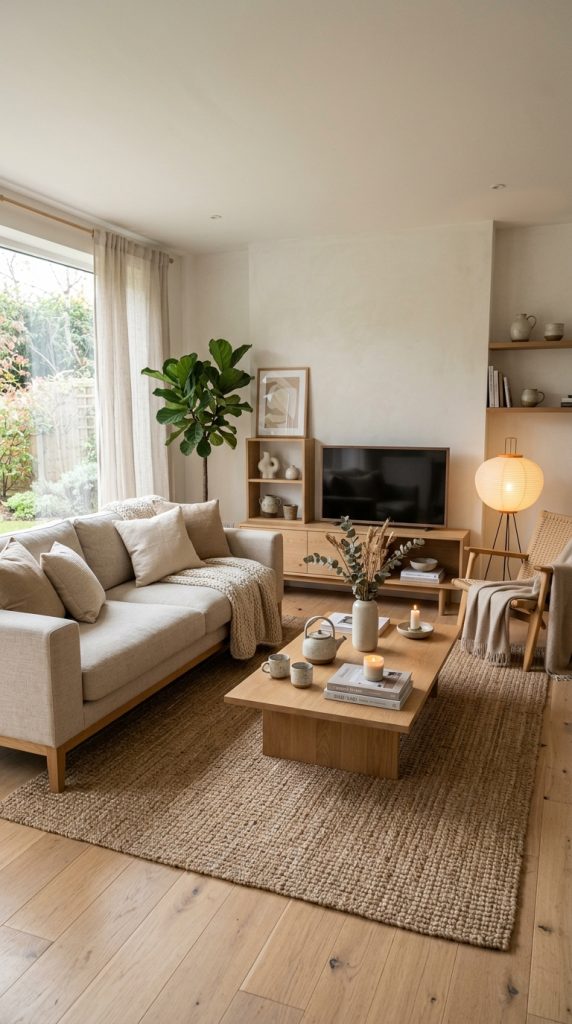
Japandi decor also prioritizes natural light and open spaces. Furniture is typically low-profile and crafted from natural materials such as oak, bamboo, linen, rattan, and stone. Decorative elements remain subtle and carefully selected to avoid visual clutter. Soft beige tones, muted greens, earthy browns, warm whites, and charcoal accents are commonly used to maintain harmony throughout the interior.
One reason Japandi design has become so popular on Pinterest is because it feels luxurious without being excessive. The simplicity of the style creates a calming environment that supports relaxation and everyday comfort. Whether decorating a bedroom, living room, dining area, hallway, or workspace, Japandi decor creates spaces that feel grounded and visually balanced.
This guide explores ten beautiful Japandi decor ideas inspired by modern Pinterest aesthetics. Each idea explains how to style the space, which materials work best, and how to achieve the calm and timeless atmosphere associated with Japandi interiors.
Materials Used for Japandi Decor
Before styling a Japandi-inspired interior, gathering the right materials helps create a cohesive and harmonious look. Japandi design focuses heavily on natural textures and muted colors.
- Light oak wood furniture
- Linen fabrics
- Neutral area rugs
- Woven baskets
- Bamboo decor
- Ceramic vases
- Low-profile furniture
- Warm LED lighting
- Minimal wall art
- Floating wooden shelves
- Textured cushions
- Indoor plants
- Stone decor accents
- Matte black fixtures
- Rattan accessories
- Wooden trays
- Soft neutral curtains
- Handmade pottery
- Cotton throws
- Natural wood flooring
Using layered natural materials helps create the cozy yet minimalist atmosphere that defines Japandi interiors.
How to Style Japandi Decor
Step 1: Use Neutral Colors
Choose soft earthy tones such as beige, warm white, taupe, muted green, charcoal, and light brown. Neutral colors create calmness and visual harmony.
Step 2: Prioritize Natural Materials
Wood, bamboo, linen, cotton, stone, and rattan help bring warmth and organic texture into the space.
Step 3: Keep Decor Minimal
Avoid overcrowding the room with excessive accessories. Japandi interiors focus on intentional styling and open space.
Step 4: Add Soft Lighting
Warm ambient lighting creates a relaxing atmosphere and enhances natural textures throughout the room.
Step 5: Balance Beauty and Functionality
Every furniture piece and decor element should feel practical while still contributing to the overall aesthetic.
1. Japandi Living Room Decor
A Japandi living room creates a peaceful and inviting atmosphere using natural textures, warm neutrals, and minimalist styling. This design style focuses on comfort while maintaining visual simplicity and elegance.
Start with a neutral color palette featuring soft beige walls, warm white tones, and light wood flooring. Low-profile furniture with clean lines works best because it creates openness and balance within the room. Light oak coffee tables, linen sofas, and wooden shelving help maintain the organic aesthetic.
Texture plays a major role in Japandi living rooms. Layer woven rugs, textured cushions, cotton throws, and ceramic decor to add warmth without cluttering the space. Decorative elements should remain minimal and intentional. A few carefully selected pieces such as pottery, candles, and simple artwork create visual interest while preserving calmness.
Indoor plants help soften the minimalist appearance and introduce natural freshness. Olive trees, bonsai plants, or simple greenery work beautifully in Japandi interiors because they complement the earthy tones naturally.
Lighting should feel soft and warm rather than overly bright. Paper lantern pendants, minimalist floor lamps, and warm LED lighting create a cozy atmosphere during evenings.
This living room style works beautifully for homeowners who want interiors that feel calm, elegant, and timeless while still remaining practical for daily living.