Comb-Patterned Scratched Texture Finish How to Make
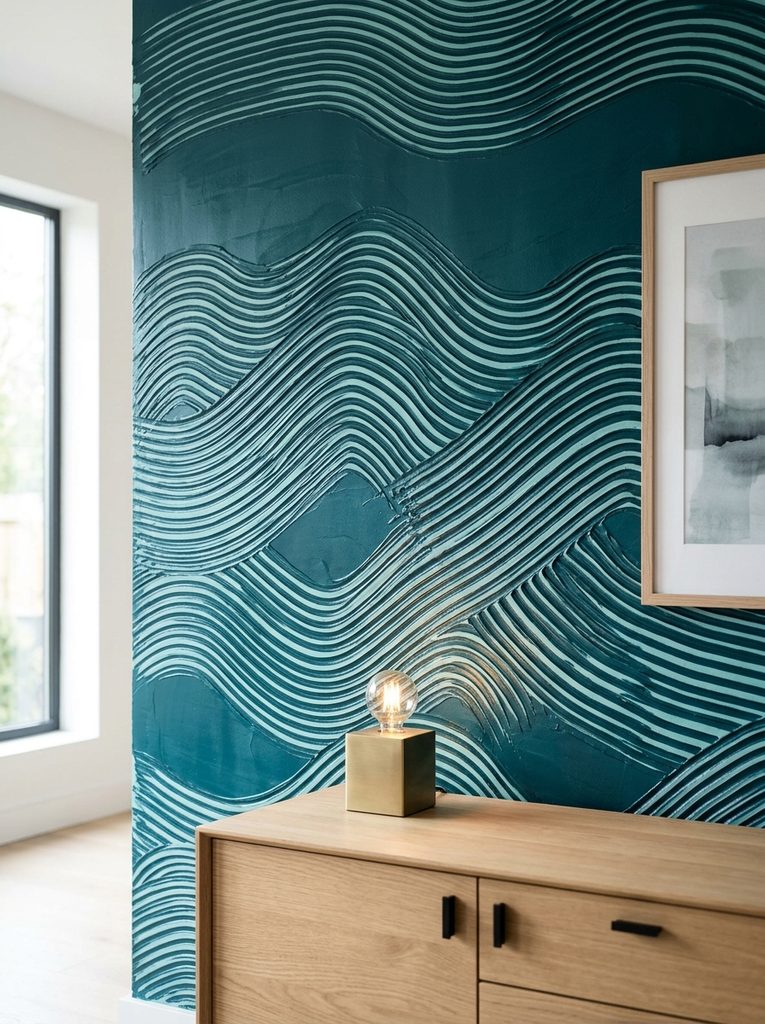
Add tactile relief and modern surface pattern to an accent wall by combing rhythmic grooves through a thick, wet paint glaze application. Apply a solid base coat across your wall and allow it to dry completely to establish a contrasting color base beneath your top coat. Apply a generous layer of paint mixed with glazing liquid across a four-foot working area using a standard medium-nap paint roller. Drag a plastic notched painter’s comb or wall texture tool through the wet glaze in sweeping waves, concentric circles, or structured crisscross patterns. Clean excess paint from the comb tool regularly with a cloth to prevent clumping, exposing your contrasting base coat cleanly within the carved geometric grooves.
Common Beginner Mistakes and How to Avoid Them
Executing beginner painting techniques cleanly requires avoiding common missteps in prep work, material handling, and timing. Skipping preliminary wall washing and hole patching leads to uneven paint absorption, leaving dull patches and visible surface flaws on finished feature walls. Applying painter’s tape without burnishing the edge firmly allows paint to bleed underneath, ruining sharp geometric borders; always press tape edges tightly using a putty knife. Removing tape after paint has cured completely often tears the dry paint film, pulling color away from the drywall surface. Always peel masking tape away while the topcoat remains slightly damp, pulling back at a low forty-five-degree angle. Finally, applying glazes or topcoats too thickly causes heavy sagging and drips that obscure delicate textures like dry-brushing or sponging.
Practical Tips for Better Results
Achieving high-quality visual results when testing creative wall techniques relies on disciplined practical habits and environmental control. Always prepare a two-foot square sample board using scrap drywall or heavy poster board before applying glazes or complex patterns directly to room walls. Practice your brush strokes, test paint transparency ratios, and verify how dry colors look under both natural daylight and warm artificial room lighting. Maintain moderate room temperatures and close windows while working with glazes to prevent airflow from drying wet paint edges prematurely during blending. Work alongside a partner when tackling time-sensitive methods like broom dragging or sponge layering to keep paint edges wet and workable across large surface spans. Keep clean water, damp microfiber towels, and dry rags nearby to clean minor accidental smudges immediately.